Klinogicare® PublicationsResearch review / Sports medicine

Creatine kinase in football and team sports: what 2025–2026 research says about muscle load, recovery and injury risk

What can creatine kinase tell a football club after a match? This review examines 2025–2026 evidence from football and other team sports on muscle load, recovery, injury risk and the limits of a single blood marker.

Key messages

  • Three recovery days between matches are often not enough: CK is still elevated on the next match day under congested schedules.
  • Functional tests recover by 48 hours, muscle repair by 72 hours or later. Readiness judged by sprint and jump alone misses the slower clock.
  • CK does not predict injury on its own; it tells the medical team whose muscle has not finished repairing, and whether a recovery routine does anything.
  • Same-day CK with creatinine, and myoglobin where available, separates a routine post-match elevation from exertional rhabdomyolysis.
Research abstract and evidence base

Abstract

Background. Creatine kinase (CK) is the most widely used blood marker of muscle damage in sport. Our May 2026 article established individual baselines and the limits of CK as an injury predictor; two years of new studies have changed how the marker is read.

Evidence base. PubMed search for creatine kinase in athletes, team sports, endurance events and military training, 2025–2026: 300 records, 287 in humans; 36 studies cited, with public reports from clubs, federations, hospitals and the sports press.

Findings. Under congested schedules CK has not returned to baseline by the next match day (median 309 vs 220 U/L in 188 elite youth national-team players, 2,489 measurements). Sprint and jump performance recover by 48 hours; CK and hamstring tissue need 72 hours or more. Between-player variability is partly genetic (102 loci), partly sex and body composition. CK alone does not predict injury (sensitivity 56%, specificity 55%); in multi-marker models it adds real risk information (AUC 0.94). Exertional rhabdomyolysis follows strength training, heat and unaccustomed sessions; kidney injury occurred in 4% of a 136-patient emergency cohort.

Practical conclusion. CK answers one question precisely: has the muscle finished repairing the last load? Read against the individual baseline at fixed sampling windows, combined with functional tests, it decides how much the next session can carry. Capillary point-of-care testing makes the same measurement possible on tournament trips.

Keywords: creatine kinase; CK; muscle damage; congested schedule; recovery; injury risk; exertional rhabdomyolysis; football; athlete monitoring.

In the last two years the research questions have shifted: not whether CK rises after a match, but how long it stays up under a congested calendar, why two players with the same workload show very different values, whether CK can flag injury risk at all, and where the line runs between normal post-match elevation and exertional rhabdomyolysis. This review gathers peer-reviewed studies published in 2025 and 2026 together with public reports from clubs, federations and hospitals, and updates our May 2026 article on biomarkers for load monitoring.

Section 01Where we left off: the May 2026 article

In May 2026 we published Objective assessment of athlete readiness: biomarkers for load monitoring and injury-risk reduction. Its three central points still hold:

  • CK, together with AST, LDH and creatinine, reflects the degree of muscle fibre microtrauma after competition far more strongly than after training, and recovery to baseline may take several days.
  • CK must be read against each athlete's own baseline, not a laboratory reference range: 500 U/L can be routine for one player and a warning for another.
  • CK alone does not predict future muscle injury. In a four-season cohort at a professional club (1,656 samples), CK on the second day after a match had a sensitivity of about 56% and a specificity of about 55% for subsequent muscle injury.
Since then the literature has grown quickly. A PubMed search for creatine kinase in athletes, players, team sports, endurance events and military training returned 300 records dated 2025–2026, of which 287 concerned humans. Football is the most studied sport (50 papers), followed by endurance running and cycling (67), exertional rhabdomyolysis (34) and other team sports (26). Most first authors are based in China, the United States, Poland, Spain, the United Kingdom and Brazil. Below are the findings that change how a medical or performance department should use CK.

Section 02Match-to-match kinetics: three days are often not enough

The largest dataset of the period comes from the Hungarian Football Federation. Schuth and colleagues (Biology of Sport, 2026) analysed 2,489 CK measurements from 188 elite youth national-team players (mean age 16.5) taken in training camps, with GPS load recorded the day before each match. When a player had played at least 60 minutes in the previous three days, match-day CK was higher (median 309 vs 220 U/L), and it stayed higher the next day (678 vs 487 U/L) and the day after (395 vs 303 U/L). Training load the day before the match was actually lower in the congested group, so the elevation could not be explained by training. The authors' conclusion is direct: three recovery days between matches may be inadequate for complete recovery, and the number of rest days was associated with lower CK on the next match day.

Median creatine kinase on match day and the two following days, congested versus non-congested scheduleCongested schedule: 309, 678 and 395 U/L. Non-congested schedule: 220, 487 and 303 U/L.0200400600800Match day+1 day+2 daysNon-congested schedule: 220 U/L, match day220Non-congested schedule: 487 U/L, one day after487Non-congested schedule: 303 U/L, two days after303Congested schedule: 309 U/L, match day309Congested schedule: 678 U/L, one day after678Congested schedule: 395 U/L, two days after395CK, U/L (median)
Median CK, U/L
ScheduleMatch day+1 day+2 days
Congested309678395
Non-congested220487303
Figure 1. Median creatine kinase in elite youth national-team players under congested and non-congested schedules. Source: Schuth et al., Biology of Sport, 2026 (188 players, 2,489 measurements).

The time course after a single match has been mapped in more detail:

  • In 37 elite youth players (Bernatík et al., Journal of Functional Morphology and Kinesiology, 2026), CK peaked at 24 hours and remained significantly elevated through 72 hours, while jump and sprint performance had largely returned by 48 hours. Soreness, CK and neuromuscular measures were correlated during recovery, but they recovered at different speeds.
  • In 22 elite outfield players tested with capillary (finger-prick) blood (Du et al., Metabolites, 2026), IL-6 and cortisol rose immediately after a standardised 90-minute match, whereas CK, LDH, myoglobin and soreness peaked later and were still above baseline at 48 hours. The authors describe recovery as "multidimensional and non-synchronous" and argue that a capillary, multi-marker approach is feasible for field monitoring.
  • In amateur players after an official match (Marqués-Jiménez et al., 2025), every blood marker except CK returned to baseline between 24 and 48 hours; CK alone stayed elevated at 48 hours.
  • A systematic review of 13 studies in professional football (Drayton et al., Journal of Strength and Conditioning Research, 2025) found that sprint, change of direction and technical ability recover by 72 hours, but vertical jump and hamstring strength are still impaired at that point, with large individual variation.
  • At the tissue level, biopsies of the biceps femoris taken three days after a match in regional first-division players (Cosio et al., Scandinavian Journal of Medicine & Science in Sports, 2026) showed 440 altered transcriptomic signatures and sustained down-regulation of the fast-myosin gene MYH1, associated with CK and hamstring rate-of-torque-development trajectories. The hamstring is "not fully recovered" at 72 hours even when sprint times look normal.

The practical meaning is that functional readiness and biochemical recovery are two different signals. A player who sprints normally at 48 hours may still carry an unrepaired hamstring. CK is the cheapest routine marker that captures the second signal.

Functional readiness and biochemical recovery are two different signals. A player who sprints normally at 48 hours may still carry an unrepaired hamstring.

Section 03Beyond football: rugby, handball, basketball, American football, endurance

CK behaves similarly in other sports, with sport-specific magnitudes:

  • Rugby union. In 26 players monitored across six matches of the 2022 Women's Rugby World Cup (Imbert et al., 2025), blood CK increased four-fold 36 hours after a match. GPS metrics and well-being questionnaires did not reflect muscle damage; the authors conclude that muscle damage "could not be assessed with the non-invasive tools used". A 2025 narrative review in Sports Medicine (Bolger et al.) proposes the term impact-induced tissue damage for collision sports, where contact rather than running volume drives the CK response.
  • Handball tournaments. After four consecutive matches in a university qualification tournament, female players showed significant rises in CK, cortisol and IL-6 together with falls in testosterone and IGF-1 (Pancar et al., Life, 2026): a catabolic shift under cumulative match stress.
  • Basketball. In 36 trained players, scoring-oriented small-sided games raised salivary CK and soreness and depressed reactive strength more than possession games at 24 and 48 hours (Zhu, Journal of Sports Science & Medicine, 2026), which matters for scheduling within the microcycle.
  • American football. In 17 NCAA Division I players sampled after preseason scrimmages (Brandhurst et al., Journal of Clinical Medicine, 2026), CK was 992 ± 561 U/L immediately after play and 739 ± 443 U/L at 24 hours, against 268 ± 205 U/L after 48 hours of rest. Creatinine, AST and LDH moved in parallel. No one developed rhabdomyolysis, and the authors propose these values as preliminary reference patterns for individualized serial monitoring to catch an abnormal response early.
  • Strength training in youth academies. In 32 elite youth players, both a squat-and-calf-raise session and a squat-and-plyometrics session produced CK and jump deficits peaking at 24–48 hours and resolving by 72 hours (Kadlubowski et al., 2026). A 12-week in-season programme at moderate intensities in elite young female players did not raise resting CK, LDH, IL-6 or TNF-α at all (Bousselmi et al., Sports, 2026). In a six-week preseason trial in 22 highly trained female players (Belamjahad et al., BMC Sports Science, Medicine and Rehabilitation, 2025), neuromuscular training produced larger strength gains and lower CK, LDH and IL-6 than endurance training. The type of preparation, not only its volume, shapes the CK a team sees in August.
  • Endurance. A daily case series on an Olympic kayaker showed CK rising from 291 to 602 U/L overnight when training was intensified, and staying at 579–604 U/L for the rest of the week (Dos Santos et al., 2026). In elite triathletes followed across a season (Cejuela et al., Frontiers in Physiology, 2026), urea tracked weekly load better than CK, which showed no consistent association. For long ultramarathons, Tiller and Millet (Sports Medicine, 2025) argue that muscle damage, not aerobic capacity, is the main limiter of performance and recommend CK, LDH and myoglobin as part of an athlete's tolerance assessment. In 58 finishers of an ultra-trail race (Martínez-Navarro et al., Journal of Strength and Conditioning Research, 2026), the nine runners who cramped were no more dehydrated or sodium-depleted than the others, but their CK was far higher at 24 hours (5,166 vs 1,940 U/L) and 48 hours (3,194 vs 894 U/L), and fewer of them did regular lower-limb strength training (56% vs 88%). The most extreme data point: an athlete who ran 30,300 km in 444 days had CK elevated 3- to 15-fold throughout, and his muscle needed 10–17 months to recover (Venckunas et al., 2026).

Section 04Why the same load gives different CK: variability, genetics, sex

The 2025 literature review in Biochemia Medica (Radišić Biljak et al.) lists the main sources of CK variability: exercise modality (eccentric work produces the largest responses), intensity, sex (men generally show higher post-exercise CK than women), body composition (more muscle mass, higher CK; more body fat, lower CK), intra- and inter-individual biological variation, and pre-analytical factors, above all limited sample stability.

Two 2026 papers add new layers:

  • Genetics. A genome-wide association study of 482 Chinese winter-sport athletes (Mei et al., Gene, 2026) found 102 single-nucleotide polymorphisms significantly associated with serum CK, 39 of which each explained more than 1% of the variance. CK did not differ between elite and non-elite athletes, but its distribution was strongly non-normal with pronounced individual variability. Part of what looks like a "high responder" is inherited.
  • Menstrual cycle. A critical review of 18 studies (Baber et al., Frontiers in Sports and Active Living, 2026) found no uniform effect of cycle phase on CK or IL-6 responses; exercise stimulus and sampling time explained more than phase labels. Menstrual status should be recorded as a design variable, not treated as an explanation for an unusual value.

A 2026 narrative review in Metabolites (Muñoz-López et al.) proposes the BASE framework for all routine athlete biomarkers: Baseline (individual), Analytical standardization (same sample type, time of day, device), Sport-specific context, and Evidence of functional change. For CK this translates into three rules that every club can apply: build an individual baseline from several resting measurements, sample under the same conditions every time, and act on the trend rather than on a single number.

Section 05Can CK predict a muscle injury?

Not as a stand-alone screen, and the field has stopped pretending otherwise. The 2024 four-season cohort cited in our May article remains the best-powered test of CK as an injury predictor in professional football: across 1,656 observations, CK on the second day after a match was higher before subsequent muscle injuries, but its sensitivity was 56% and its specificity 55% for injuries in the following five days. No 2025–2026 football study has overturned that result. What the new studies show is where CK does carry risk information and how it is used:

  • In elite male athletes of racing ice sports (Wang et al., International Journal of Sports Medicine, 2025), longitudinal blood data were linked to monthly injuries. In the sledding group, CK above about 489 U/L raised injury odds 1.7-fold and low testosterone had a similar effect; in speed skaters, CK above about 467 U/L raised injury odds 2.6-fold, and CK was an independent risk factor. The models' discrimination was good (sensitivity 83–91%), but these thresholds belong to those athletes and that sport.
  • In 120 youth players from six elite South Korean academies followed for a season (Qian and Lee, Journal of Sports Sciences, 2025), a random-forest model combining bi-weekly blood markers (testosterone, cortisol, CK, IL-6, TNF-α), questionnaires and GPS load predicted overtraining risk with an AUC of 0.94, identifying 85% of high-risk cases a week before performance fell. The strongest single predictors were the testosterone-to-cortisol ratio, recovery-stress balance and the acute-to-chronic workload ratio; a model without blood markers still reached 0.89.

CK answers one question precisely: has this player's muscle finished repairing the last load? That is the question that decides tomorrow's session, and it is the question the injury-prediction studies were not asking. The hamstring data show why it matters: after a single high-volume maximal-sprint session, amateur players showed reduced posterior-chain force and increased anterior pelvic tilt for 72 hours, with CK and soreness tracking the damage (Carmona et al., Sports Health, 2025). The risk factor is the unrepaired tissue; CK is the signal that repair is still under way.

Section 06The clinical edge: exertional rhabdomyolysis in 2025–2026

Exertional rhabdomyolysis is the condition every CK monitoring programme is also quietly screening for. The new evidence sharpens both the numbers and the public picture.

  • The first prospective multicentre cohort of exertional rhabdomyolysis (Vangstad et al., BMJ Open Sport & Exercise Medicine, 2026) followed 136 emergency-department patients in Oslo and Akershus with CK ≥ 5,000 U/L or myoglobin ≥ 1,000 ng/mL after exercise. Strength training was the trigger in 78% of cases. Only 4% developed acute kidney injury, and all of them had elevated creatinine on admission; no patient with normal creatinine progressed. A myoglobin-to-CK ratio of 0.48 or higher was the best supportive marker of high risk (99% specificity). Outpatient management was safe when creatinine was normal and follow-up assured.
  • A systematic case-level review of published athlete cases through December 2025 (AlHumaidan et al., Cureus, 2026) pooled 65 patients: median age 24, 91% male, median peak CK 55,000 U/L, acute kidney injury in 75% and dialysis in 22%, with complete renal recovery in 95%. Recreational athletes (31%) and school or college athletes (32% combined) outnumber professionals (5%), which is where unaccustomed, supervised-by-nobody sessions happen.
  • Surveillance in the U.S. Armed Forces recorded 521 cases in 2025 (39.7 per 100,000 person-years), with 46% hospitalised and recruits at more than six times the rate of other members (MSMR, 2026). The previous report counted 464 cases in 2024.
  • A randomised study of whole-body electromyostimulation in untrained adults (Melekoğlu et al., Medicine & Science in Sports & Exercise, 2026) found CK peaking at 1,784 U/L and myoglobin at 181 ng/mL 72 hours after a single session, despite perceived exertion below 13 on the Borg scale: the athlete's own sense of effort is not a safety margin.
  • Heat is the other multiplier. At four New York hospitals, 24 runners presented with post-marathon rhabdomyolysis (CK > 5,000 U/L, mean peak 21,426 U/L) after the record-hot 2022 race, against 15 for the other five races combined; case counts correlated with the race-day heat index (Rosenstock et al., Nephron, 2026). After the 2024 Boston Marathon, all markers of muscle, kidney and gut injury rose in 72 runners regardless of sex, and staying hydrated did not fully offset the renal signal (McKenna et al., Journal of Applied Physiology, 2025).
Table 1. Exertional rhabdomyolysis in 2025–2026 reports
CohortWhoCKKidneys and outcome
Emergency departments, Oslo and Akershus, 2019–2022 (Vangstad et al., 2026)136 patients, median age 28; strength training in 78% of casesEntry criterion CK ≥ 5,000 U/LAcute kidney injury 4%; all had raised creatinine on admission
Published athlete cases to December 2025 (AlHumaidan et al., 2026)65 patients, 91% male, median age 24Median peak 55,000 U/LAcute kidney injury 75%, dialysis 22%, full renal recovery 95%
U.S. Armed Forces surveillance, 2025 (MSMR, 2026)521 cases, 39.7 per 100,000 person-yearsNot reported46% hospitalised; recruits at more than 6 times the rate of others
New York City Marathon 2022, four hospitals (Rosenstock et al., 2026)24 runners, 20 men and 4 women, mean age 32Mean peak 21,426 U/L (5,177 to 88,430)One patient needed dialysis; cases tracked the race-day heat index

Public traces confirm that the problem is not confined to case reports. In February 2025, an independent review of a September 2024 voluntary workout at Tufts University, after which 24 of the 61 participating students were diagnosed with rhabdomyolysis and nine were hospitalised, concluded that the session had been led by someone without group-exercise credentials and "did not follow principles of acclimatization that are necessary to avoid injury during training". In October 2025, the Indian international cricketer Tilak Varma disclosed that earlier in his career, during a period of intensive preparation without proper recovery, he had been hospitalised with rhabdomyolysis: "They had to cut my gloves off because my fingers wouldn't move." He was admitted immediately, and a delay of a few more hours could have been dangerous. The lesson from both is the same one the Norwegian cohort gives in numbers: the dangerous session is the unaccustomed one, and the window to act is measured in hours.

Section 07Do recovery routines change CK? The 2026 meta-analyses

For a medical department, CK is also the yardstick for deciding whether a recovery routine does anything.

  • A systematic review and meta-analysis of cold-water immersion after football match play (Veen et al., Scandinavian Journal of Medicine & Science in Sports, 2026; 10 trials) found that immersion lowered CK (standardised mean difference −0.77), improved maximal strength and soreness, and did not affect sprint performance. The effect is real on average and not guaranteed for every squad: every prediction interval included zero.
  • A placebo-controlled trial in 23 international-level U19 players across six matches (Maia et al., BMC Sports Science, Medicine and Rehabilitation, 2026) found that 30 minutes of high-pressure intermittent pneumatic compression changed nothing in CK, jump height, low-frequency fatigue or perceived soreness compared with placebo. Internal and external load and total sleep time, by contrast, did influence CK.
  • A Bayesian network meta-analysis of 23 randomised trials with 388 elite players and 17 recovery strategies (Liu et al., Frontiers in Physiology, 2026) ranked intermittent negative-pressure therapy highest for reducing CK, far-infrared therapy for jump recovery, and portable cold compression for soreness. No intervention improved 20-metre sprint recovery.

Taken together: recovery modalities move CK modestly and inconsistently, which is a reason to measure rather than assume. A squad's own CK trend before and after introducing a routine is more informative than any pooled estimate.

Section 08Public traces: how clubs monitor internal load in 2025–2026

The direction of travel in elite sport is from a few venous draws per season towards frequent, small-sample testing close to the pitch.

  • The same month, Training Ground Guru described how Orreco works with Liverpool, Newcastle United and NBA and NFL teams: full venous panels of more than 50 biomarkers four or five times a season, and point-of-care tests from about 140 microlitres of blood that can be run several times a week. At Liverpool, the point-of-care tests were run on the first and second day after matches.
  • A July 2026 review of point-of-care testing in elite football (POCTIFY) lists CK among the markers clubs run at the point of care and cites a two-season Premier League club study in which finger-prick samples read on a bench analyser helped decide who was fit to start during congested fixtures. The same review reminds readers that a football-specific reference interval (roughly 65 to 1,972 U/L in one cohort of professional players) is far wider than the general population's, which is why individual baselines matter more than any published range.
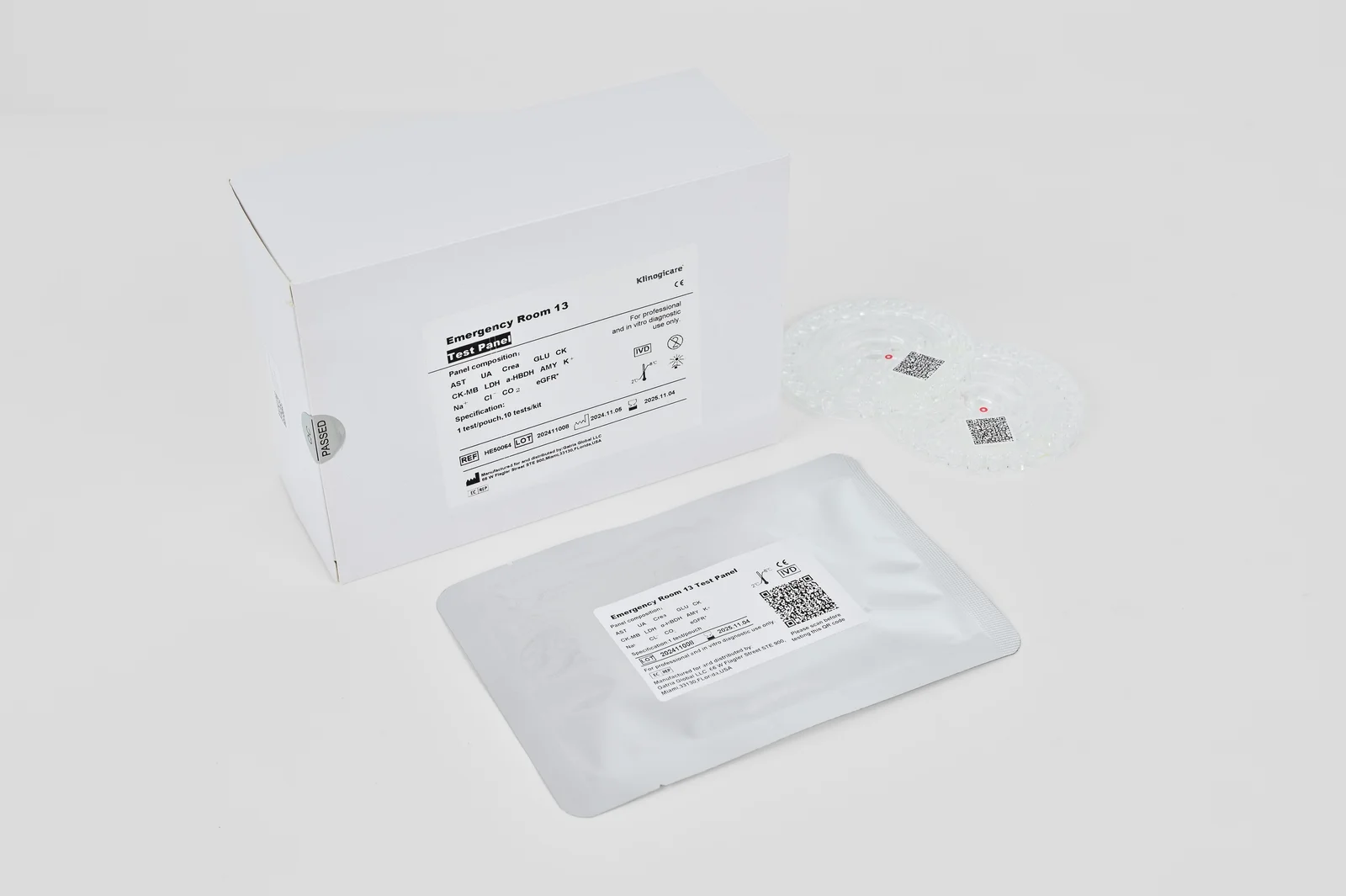
Reagent disc and test panel kit for a point-of-care biochemistry analyzer used in sports medicine
Reagent disc and panel kit for a point-of-care biochemistry analyzer: one capillary sample, a full panel of results within minutes, at the training ground.

CK is not the newest marker in these programmes, but it is the one with the longest validation history and the one every clinician can interpret without a vendor's algorithm.

CK has also reached the general sports press. In 2026 a fitness magazine ran the ultra-trail cramping study above under the headline that cramps "aren't about dehydration". The finding is real: the runners who cramped had two and a half times the CK of those who did not, and the ones who lifted weights regularly cramped less. The study is one race and 58 finishers, so the number belongs to ultra-trail, not to football. The direction, that muscle damage rather than fluid loss sits behind late-race cramping, is consistent with everything above.

Section 09How teams organise CK monitoring in practice

The 2025–2026 evidence supports a protocol that a club doctor or national-team physiologist can run with standard equipment. Start with a defined question: is the team tracking its usual response to matches, investigating an atypical recovery, or assessing a symptomatic player? The sampling plan follows from the answer.

  1. Build the baseline. Three to five resting measurements in preseason, at the same time of day, with the same sample type (venous or capillary) and the same device. Individual baselines absorb the genetic and body-composition differences described above.
  2. Fix the sampling windows. The day after a match (peak) and the second day (recovery) are the most informative time points in football and rugby; add match-day morning in congested periods, where the Hungarian data show the previous match still visible in the numbers.
  3. Express results relative to the athlete. Percentage of individual baseline or an individual z-score, not a laboratory flag. A value two to three times a player's own baseline on the second day after a match, together with soreness or a jump deficit, is a reason to modify the next session. A value above five times the upper reference limit with symptoms is a clinical pathway, with creatinine and, where available, myoglobin measured the same day.
  4. Combine signals. Jump tests, hamstring strength, perceived soreness and GPS load recover on different clocks. The new transcriptomic and systematic-review data show that the slowest clock is muscle repair; CK is the marker that follows it.
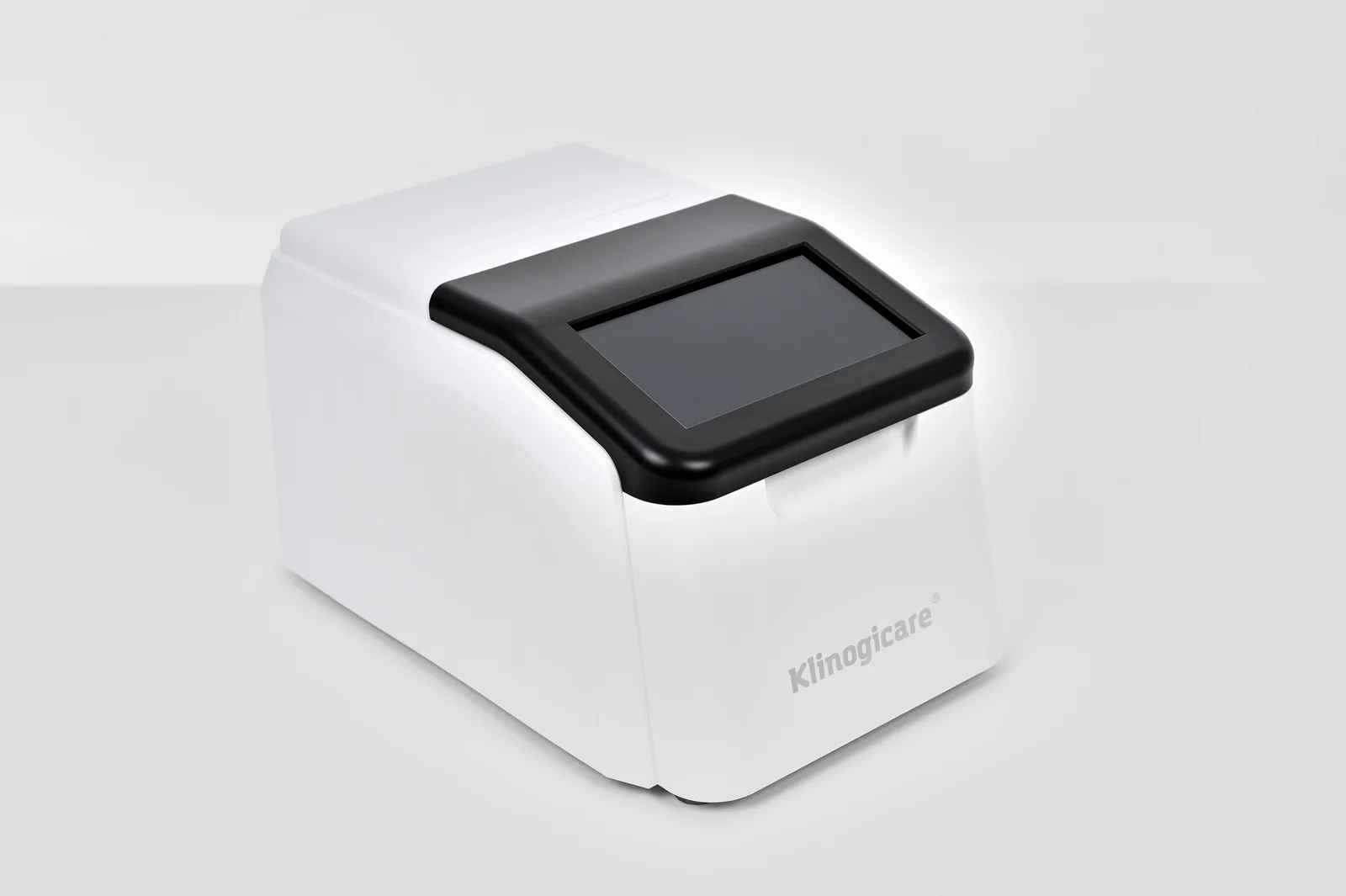
  5. Take the method with the team. Tournament and travel weeks are when congestion is worst and laboratories are furthest away. Capillary sampling has been used in elite studies this year without loss of information, and a compact biochemistry analyzer such as the Klinogicare® StarLab Biochem runs CK, AST, LDH, creatinine and electrolytes from a few drops of capillary blood in 7–13 minutes, in the hotel or at the training ground. The result is in the doctor's hands before the player has left the treatment room, which is the only timing at which a recovery decision can still change the next session.
  6. Know what CK cannot do. It will not tell you who will tear a hamstring next week. It will tell you whose muscle has not finished repairing the last one, and whether a recovery routine is doing anything at all.
Klinogicare StarLab Biochem portable biochemistry analyzer
Klinogicare® StarLab Biochem: a compact biochemistry analyzer for CK, AST, LDH, creatinine and electrolytes, used at the training ground or on tournament trips.

Myoglobin, which rises and falls earlier than CK and is the marker emergency physicians use alongside it, deserves its own review; that is the subject of our next article.

Section 10What changed since May 2026: five takeaways

  • The largest 2026 dataset (2,489 measurements, 188 players) shows that under congested schedules CK has not returned to baseline by the next match day, and three recovery days are often insufficient.
  • Functional tests recover by 48 hours, CK and hamstring tissue by 72 hours or later. Readiness measured only by sprint and jump misses the slower clock.
  • Individual variability in CK is partly genetic, partly body composition and sex, and partly pre-analytical. The BASE framework (baseline, standardisation, sport context, functional evidence) is the current standard for interpretation.
  • CK still does not predict injury on its own in professional football; in multi-marker models and in some sports it adds real risk information. Its main value is deciding how much load the next session can carry.
  • Exertional rhabdomyolysis is rising in supervised and unsupervised settings alike; strength training, heat and unaccustomed sessions are the triggers, and the same-day combination of CK with creatinine, and where available myoglobin, is what separates a routine elevation from an emergency.

Section 11Questions teams ask about CK

Can creatine kinase predict a muscle injury in football?

Not as a stand-alone screen. In a four-season cohort of professional players (1,656 observations), CK on the second day after a match had a sensitivity of 56% and a specificity of 55% for muscle injury in the following five days. CK tells the medical team whether muscle repair from the last load is finished, and in multi-marker models with workload and hormonal data it adds real risk information.

How long does CK stay elevated after a football match?

CK peaks about 24 hours after a match and is still above baseline at 48 to 72 hours in elite youth, amateur and professional players, while sprint and jump performance usually recover by 48 hours. Under congested schedules, with a match in the previous three days, CK on the next match day is higher (median 309 versus 220 U/L in 188 elite youth national-team players).

What CK value is normal for an athlete?

There is no single number. Football-specific reference intervals reach roughly 65 to 1,972 U/L in professional players, and part of the between-player difference is genetic. A value is read against the athlete’s own resting baseline, built from several preseason measurements under the same sampling conditions, and against its trend after comparable loads.

When does a high CK become exertional rhabdomyolysis?

Clinical cohorts use CK of 5,000 U/L or more, or myoglobin of 1,000 ng/mL or more, after exercise as the entry criterion, with muscle pain, weakness or dark urine. The 2026 Norwegian cohort found kidney injury in 4% of cases, all with raised creatinine on admission; strength training, heat and unaccustomed sessions were the usual triggers.

References

Method note. PubMed was searched on 3 November 2026 for creatine kinase, creatine phosphokinase, exertional rhabdomyolysis and exercise-induced muscle damage combined with athlete, sport, team-sport, endurance and military-training terms, limited to publication dates 2025–2026 (300 records; 287 after excluding animal and in-vitro work). Public sources were located through web search and checked against the original pages. All links were verified on 3 November 2026.

Scientific sources (peer-reviewed, 2025–2026)

  1. Schuth G, Szigeti G, Dobreff G, et al. Are three recovery days enough? Elevated match day creatine kinase levels under congested schedules in youth soccer. Biology of Sport. 2026.DOI 10.5114/biolsport.2026.157992 · PubMed 42422396
  2. Bernatík D, Hulka K, Izakova A, et al. Acute post-match fatigue and recovery kinetics of neuromuscular performance and muscle damage after a friendly match in elite youth football players. Journal of Functional Morphology and Kinesiology. 2026.DOI 10.3390/jfmk11030353 · PubMed 42783647
  3. Du L, Xiao J, Li C, et al. Acute capillary plasma biomarker, neuromuscular, and perceptual responses to standardised soccer match play in elite players. Metabolites. 2026.DOI 10.3390/metabo16060370 · PubMed 42346350
  4. Marqués-Jiménez D, Ramirez-Jimenez M, Izquierdo JM, et al. Recovery after an official soccer match: an analysis of markers of muscle damage and oxidative stress, and endocrine, neuromuscular and perceptual responses. Journal of Functional Morphology and Kinesiology. 2025.DOI 10.3390/jfmk10030351 · PubMed 40981050
  5. Drayton AM, Hamad MJ, Spyrou K. The time course of postmatch physical impairments in professional soccer: a systematic review. Journal of Strength and Conditioning Research. 2025;39(11):e1345–e1355.DOI 10.1519/JSC.0000000000005252 · PubMed 40845278
  6. Cosio PL, Pinal-Fernandez I, Moreno-Simonet L, et al. Transcriptomic profiling of the biceps femoris long head 72 h following a football match and associations with recovery biomarkers. Scandinavian Journal of Medicine & Science in Sports. 2026.DOI 10.1111/sms.70339 · PubMed 42455516
  7. Imbert S, Piscione J, Joncheray H, Daussin FN. Physical demands and muscle-induced damage in Women's Rugby Union World Cup matches. Journal of Strength and Conditioning Research. 2025;39(7):e890–e897.DOI 10.1519/JSC.0000000000005106 · PubMed 40293722
  8. Bolger C, Mara J, Pyne DB, et al. Beyond the hit: muscle and vascular tissue responses to contact exposure in collision sports. A narrative review. Sports Medicine. 2025.DOI 10.1007/s40279-025-02296-1 · PubMed 40819341
  9. Pancar Z, Makaracı Y, Gençoğlu C, et al. Acute biochemical responses to competitive tournament load in female handball players: hormonal, inflammatory and muscle damage markers. Life. 2026.DOI 10.3390/life16030523 · PubMed 41901040
  10. Zhu D. Scoring and possession small-sided games elicit distinct 48-hour muscle damage and neuromuscular responses in basketball athletes. Journal of Sports Science & Medicine. 2026.DOI 10.52082/jssm.2026.221 · PubMed 41710436
  11. Brandhurst G, Piedy E, Etheredge S, et al. Characterizing biomarkers of muscle damage in collegiate football players: a prospective, repeated measures study. Journal of Clinical Medicine. 2026.DOI 10.3390/jcm15072502 · PubMed 41976803
  12. Kadlubowski B, Keiner M, Wirth K, et al. Acute effects of strength training interventions on subjective, neuromuscular, and biochemical fatigue parameters in elite youth soccer players. Frontiers in Sports and Active Living. 2026.DOI 10.3389/fspor.2026.1742295 · PubMed 41858994
  13. Bousselmi M, Zouita ABM, Darragi M, et al. Twelve weeks of in-season strength training at moderate intensities improve strength and body composition without increasing muscle damage or inflammation in elite young female soccer players. Sports. 2026.DOI 10.3390/sports14040136 · PubMed 42043068
  14. Dos Santos JAR, Zacca R, Fernandes DG, et al. Blood biochemical acute daily responses during an intensive training microcycle: a case report of an Olympic kayaker. Sports. 2026.DOI 10.3390/sports14080325 · PubMed 42646863
  15. Cejuela R, Arévalo-Chico H, Sellés-Pérez S, et al. Dose-response to endurance training: a longitudinal study of training load and biomarkers in elite triathletes. Frontiers in Physiology. 2026.DOI 10.3389/fphys.2026.1767378 · PubMed 42245827
  16. Tiller NB, Millet GY. Decoding ultramarathon: muscle damage as the main impediment to performance. Sports Medicine. 2025.DOI 10.1007/s40279-024-02127-9 · PubMed 39405022
  17. Venckunas T, Chaillou T, Cesanelli L, et al. Musculoskeletal (mal)adaptations in response to a > 30 000-km running challenge. Journal of Cachexia, Sarcopenia and Muscle. 2026.DOI 10.1002/jcsm.70368 · PubMed 42666016
  18. Belamjahad A, Tourny C, Hackney AC, et al. Preseason neuromuscular versus endurance training leads to greater improvements in isokinetic strength, muscle damage, and inflammation parameters in highly trained female soccer players. BMC Sports Science, Medicine and Rehabilitation. 2025.DOI 10.1186/s13102-025-01154-x · PubMed 40307934
  19. Martínez-Navarro I, Vicente-Mampel J, López-Grueso R, et al. Muscle cramping in ultra-trail: dehydration and electrolyte depletion versus muscle damage. Journal of Strength and Conditioning Research. 2026;40(8):e894–e900.DOI 10.1519/JSC.0000000000005440 · PubMed 42172290
  20. Radišić Biljak V, Lazić A, Nikler A, et al. Post-exercise creatine kinase variability: a literature review. Biochemia Medica. 2025.DOI 10.11613/BM.2025.020502 · PubMed 40520657
  21. Mei T, Li Y, Bao D, et al. Genome-wide association study of genetic variants influencing creatine kinase levels in Chinese winter sports athletes. Gene. 2026.DOI 10.1016/j.gene.2026.150275 · PubMed 42314779
  22. Baber F, Jaklová Dytrtová J, Jakl M, et al. Biomarkers of exercise-induced muscle damage and inflammation across menstrual cycle phases: a critical review. Frontiers in Sports and Active Living. 2026.DOI 10.3389/fspor.2026.1878668 · PubMed 42598088
  23. Muñoz-López M, Quesada-Fernández G, Sancho-Haro ES, et al. From routine blood tests to metabolomics: a contextual framework for interpreting biomarkers of training load, recovery, and metabolic stress in athletes. Metabolites. 2026.DOI 10.3390/metabo16070483 · PubMed 42506435
  24. Wang F, Cui J, Wu Y, et al. Research on injury risk of elite male athletes in racing ice sports based on blood indexes. International Journal of Sports Medicine. 2025.DOI 10.1055/a-2403-9752 · PubMed 39187257
  25. Qian H, Lee S. A multidimensional prediction model for overtraining risk in youth soccer players: integrating physiological and psychological markers. Journal of Sports Sciences. 2025.DOI 10.1080/02640414.2025.2521211 · PubMed 40545715
  26. Carmona G, Moreno-Simonet L, Cosio PL, et al. Acute changes in hamstring injury risk factors after a session of high-volume maximal sprinting speed efforts in soccer players. Sports Health. 2025.DOI 10.1177/19417381241283814 · PubMed 39370659
  27. Vangstad M, Kro Birkeland JA, Gulsvik AK, et al. Exertional rhabdomyolysis: clinical features, management, complications and prediction of acute kidney injury. BMJ Open Sport & Exercise Medicine. 2026.DOI 10.1136/bmjsem-2026-003214 · PubMed 41788978
  28. AlHumaidan HM, Alrubaysh MA, Hakeem AA, et al. From the field to the emergency room: a systematic case-level review of exertional rhabdomyolysis and acute kidney injury in athletes. Cureus. 2026.DOI 10.7759/cureus.111662 · PubMed 42524330
  29. Armed Forces Health Surveillance Division. Exertional rhabdomyolysis among U.S. active component service members, 2021–2025. MSMR. 2026.. Previous report for 2020–2024: MSMR. 2025PubMed 42308108
  30. Melekoğlu T, Madenci G, Türk A, et al. Acute biochemical muscle damage responses to a single session of whole-body electromyostimulation. Medicine & Science in Sports & Exercise. 2026.DOI 10.1249/MSS.0000000000003979 · PubMed 41839178
  31. Rosenstock JL, Farrell DR, Coca SG, et al. Rhabdomyolysis and acute kidney injury after the New York City Marathon. Nephron. 2026.DOI 10.1159/000552131 · PubMed 42048303
  32. McKenna ZJ, Atkins WC, Butts CL, et al. Biomarkers of organ stress and injury following the Boston Marathon. Journal of Applied Physiology. 2025.DOI 10.1152/japplphysiol.00775.2025 · PubMed 41101781
  33. Veen J, Bergh C, Cao Y, et al. The impact of cold-water immersion on post-match recovery in trained soccer players: a systematic review and meta-analysis. Scandinavian Journal of Medicine & Science in Sports. 2026.DOI 10.1111/sms.70202 · PubMed 41490103
  34. Maia F, Tito S, Correia M, et al. Intermittent pneumatic compression does not improve post-match neuromuscular, biochemical or perceptual recovery in international-level youth soccer players: a randomized placebo-controlled trial. BMC Sports Science, Medicine and Rehabilitation. 2026.DOI 10.1186/s13102-026-01580-5 · PubMed 41656279
  35. Liu J, Li Q, Han Y, et al. Efficacy of post-exercise recovery strategies for elite soccer players: a network meta-analysis. Frontiers in Physiology. 2026.DOI 10.3389/fphys.2026.1760392 · PubMed 41647155

Earlier work cited in the prologue

  1. Tamujo AC, et al. Creatine kinase concentration on the second post-match day is not associated with risk of subsequent muscle injury in professional football players: a four-season cohort study. The Physician and Sportsmedicine. 2024;52(3):271–276.DOI 10.1080/00913847.2023.2246175 · PubMed 37548364
  2. Klinogicare®. Objective assessment of athlete readiness: biomarkers for load monitoring and injury-risk reduction. May 2026.klinogicare.com

Public sources (clubs, federations, media)

  1. Austin S. How top clubs are leveraging blood data. Training Ground Guru, 11 December 2025.Source
  2. Alrefai A. Point of care testing in elite football: bringing the lab to the athlete. POCTIFY, 15 July 2026.Source
  3. Associated Press / CBS News Boston. Navy SEAL who led Tufts workout that hospitalized 9 athletes with rhabdo lacked expertise, review finds. 1 February 2025.Source
  4. The Week. "My fingers were no longer working": cricketer Tilak Varma discloses his struggle with rhabdomyolysis. 24 October 2025.Source
  5. Men's Fitness. Muscle cramps aren't about dehydration, new study finds. 2026.Source

Cite this article

Klinogicare® Research (2026). Creatine kinase in football and team sports: what 2025–2026 research says about muscle load, recovery and injury risk. Klinogicare® Publications, 3 November 2026. https://klinogicare.us/creatine-kinase-football-2025-2026/

Back to publications
Message us on WhatsApp